
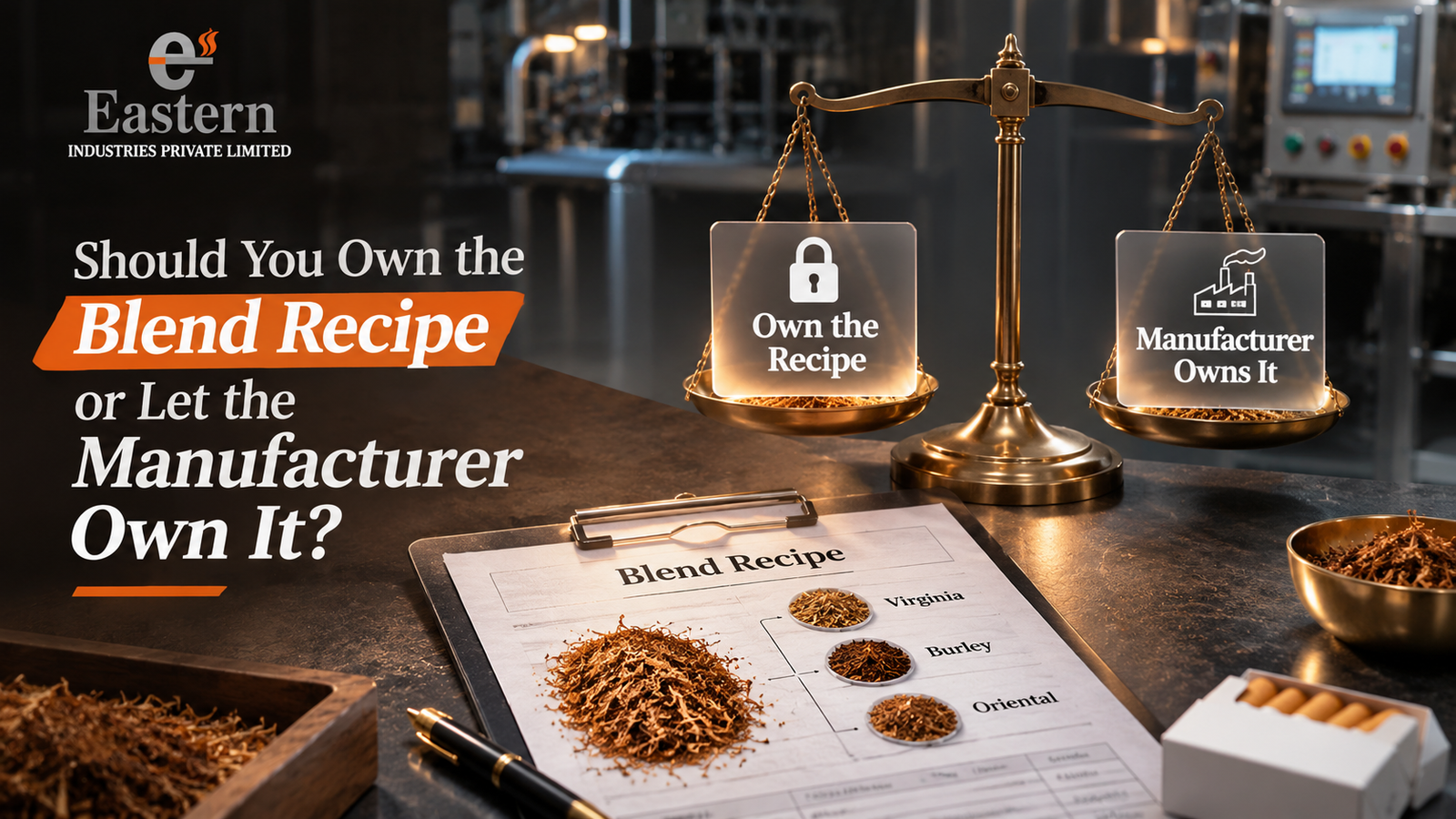
Should You Own the Blend Recipe or Let the Manufacturer Own It?
When launching a cigarette brand through contract manufacturing, one important question often receives less attention than production costs and packaging: who owns the tobacco blend recipe? The answer can affect intellectual property rights, confidentiality, manufacturing flexibility, and future business decisions. Understanding blend recipe ownership contract manufacturing arrangements is essential before entering a long-term production agreement. Some brand owners develop proprietary formulations, while others rely on recipes created by their manufacturing partners. Both approaches involve different legal and commercial responsibilities. Businesses exploring production partnerships can review Eastern Tobacco’s Contract Manufacturing services to understand the manufacturing arrangements available. This guide explains how blend ownership works, which contractual protections matter, and what brand owners should consider before signing an agreement.
What Does Blend Recipe Ownership Mean in Contract Manufacturing?
Blend recipe ownership refers to the legal rights associated with a tobacco formulation and any confidential information used to define it. A recipe may include proprietary ingredient specifications, formulation details, and related manufacturing knowledge. In contract manufacturing, ownership does not automatically belong to the company whose brand appears on the finished product. The manufacturer may have developed the original formulation, or the brand owner may have supplied an existing recipe. In some cases, both parties contribute to its development. The agreement should establish who controls the formulation, who may use it, and whether permission is required for production by another manufacturer. Without clear contractual terms, these questions can lead to disagreements.
Why Is Tobacco Blend Recipe Ownership Important for Brand Owners?
Ownership can influence how much control a business retains over its product specifications and future manufacturing arrangements. A brand that owns its proprietary recipe may be able to authorize different manufacturers to produce according to the same approved specifications, subject to contractual and legal requirements. However, ownership alone does not guarantee identical results because manufacturing conditions and quality systems can differ. When a manufacturer owns the formulation, the brand may depend on continuing permission to use it. This can affect future negotiations, production transfers, and contractual obligations. Clearly defining ownership helps businesses understand their rights before investing in development, packaging, regulatory documentation, or long-term supply arrangements.
Brand-Owned vs Manufacturer-Owned Blend Recipes: What’s the Difference?
A brand-owned recipe gives the brand owner control over the intellectual property rights it legally holds, including decisions about authorized manufacturing use. The company may grant a manufacturing partner a limited licence without transferring ownership. A manufacturer-owned recipe works differently because the manufacturer retains control and may permit the brand to use the formulation under agreed conditions. Neither arrangement is automatically better for every business. Brand ownership may offer greater flexibility, while licensing an established manufacturer-owned formulation may reduce the need for independent development. The critical distinction is whether the agreement grants ownership, exclusive use, or a limited licence. These rights should be documented separately rather than assumed.
Understanding Intellectual Property Rights and Tobacco Recipe Ownership
Understanding tobacco recipe IP ownership requires distinguishing between trademarks, patents, trade secrets, and contractual rights. A brand name or logo may be protected as a trademark, but that protection does not automatically extend to the underlying tobacco formulation. Confidential recipes and manufacturing information may qualify as trade secrets when they are not generally known, have commercial value because of their secrecy, and are protected through reasonable confidentiality measures. Unlike registered intellectual property, trade secret protection generally depends on maintaining secrecy rather than completing a registration process. However, protection has limits, including circumstances involving lawful independent development. Brand owners should confirm which intellectual property rights exist and how applicable laws affect ownership.
What Happens When a Manufacturer Develops a Custom Blend for Your Brand?
A common question in commissioned product development is who owns the formula when the brand pays the manufacturer to create it. Payment alone does not necessarily transfer all intellectual property rights. Ownership depends on the agreement and the legal rules governing the relationship. A manufacturer may retain rights to its existing formulations, technical knowledge, and proprietary processes while assigning specific newly developed information to the brand. Alternatively, the parties may negotiate a licence covering the completed recipe. Contracts should distinguish pre-existing intellectual property from newly created formulations and subsequent improvements. Establishing these terms before development begins reduces uncertainty about which party can use, modify, or disclose the finished recipe.
How Confidentiality Agreements Protect Proprietary Tobacco Blends
A blend confidentiality agreement helps protect sensitive formulation information from unauthorized disclosure or use. Such agreements can define which information is confidential, who may access it, and the purposes for which it may be used. They may also establish security responsibilities and confidentiality obligations that continue after the manufacturing relationship ends. However, a nondisclosure agreement does not automatically transfer ownership of intellectual property. A separate assignment or licensing provision may be necessary to establish the intended rights. Businesses should also consider internal access controls, secure documentation, and procedures for sharing information with authorized subcontractors. Effective protection depends on both appropriate contractual wording and practical measures for safeguarding confidential material.
Can You Switch Manufacturers Without Losing Access to Your Blend?
Changing manufacturing partners can become complicated when the existing manufacturer controls the product formulation. A brand-owned recipe may provide greater flexibility if the agreement allows the brand to share the necessary specifications with another authorized manufacturer. However, the ability to transfer production can still depend on access to documentation, regulatory obligations, and contractual restrictions. With a manufacturer-owned formulation, the brand may require additional permission or a continuing licence. Businesses comparing production arrangements may also benefit from understanding OEM vs Contract Manufacturing for Cigarettes: Key Differences Every Brand Owner Must Know. Before signing an agreement, brand owners should establish what information remains accessible after termination and whether another manufacturer can lawfully use it.
How Blend Ownership Affects Manufacturing Costs and Long-Term Flexibility
The financial impact of recipe ownership extends beyond the initial development fee. A manufacturer-owned formulation may involve ongoing licensing payments, restrictions on production arrangements, or additional charges for modifications. Brand ownership may require greater initial investment in development, documentation, and intellectual property protection. However, it can provide additional control over future licensing and supplier negotiations. The appropriate choice depends on the business’s expected production volumes, investment capacity, and contractual requirements. Brand owners should compare development costs, licensing fees, confidentiality responsibilities, and potential supplier transition expenses. A lower upfront development cost does not necessarily represent better long-term value if the agreement significantly limits future manufacturing options.
Important Contract Clauses That Define Blend Recipe Ownership
A manufacturing agreement should clearly identify the owner of the original formulation and establish rights to any new developments. It should also specify whether the manufacturer receives an exclusive or nonexclusive licence, where the recipe may be used, and whether access can be granted to subcontractors. Confidentiality provisions should define protected information and permitted disclosures. Another important issue is ownership of improvements made during production, since refinements may involve contributions from either party. The agreement should also address termination, documentation access, return or destruction of confidential materials, and dispute resolution. These provisions help clarify commercial expectations, although their legal effectiveness depends on the contract’s wording and applicable law.
Common Legal and Commercial Risks of Manufacturer-Owned Recipes
Allowing a manufacturer to retain recipe ownership is not necessarily problematic, but it can introduce contractual dependencies. The brand may require continuing permission to use the formulation and could face restrictions when changing production partners. Disagreements may also arise over licensing charges, exclusivity, modifications, or the treatment of improvements developed during the relationship. Another potential risk involves inadequate access to technical documentation when the agreement ends. These concerns do not mean that manufacturer-owned recipes should always be avoided. Instead, businesses should assess the scope and duration of their rights before committing to the arrangement. Clearly negotiated licensing and termination provisions can reduce uncertainty and support more predictable commercial relationships.
Key Questions to Ask Before Signing a Contract Manufacturing Agreement
Before signing, brand owners should ask who developed the original blend and which party currently holds the relevant intellectual property rights. They should confirm whether payment for custom development includes ownership transfer or only permission to use the formulation. Other important questions concern exclusivity, confidentiality obligations, licensing fees, and ownership of future improvements. Businesses should also establish whether the recipe can be transferred to another authorized manufacturer and what happens to confidential documentation when the contract ends. Regulatory disclosure obligations should be considered because confidentiality does not override applicable legal requirements. A qualified legal professional can help ensure that the written terms reflect the intended commercial arrangement.
Conclusion:
Deciding whether to own a tobacco blend recipe or rely on a manufacturer-owned formulation requires careful consideration of intellectual property rights, cost, confidentiality, and long-term manufacturing flexibility. Brand ownership may provide greater control over authorized use and future production arrangements, while licensing a manufacturer’s established formulation can be a reasonable alternative when the terms are clearly defined. The most important element of blend recipe ownership contract manufacturing is a written agreement that establishes ownership, permitted use, rights to improvements, and responsibilities after termination. Before making a final decision, brand owners should review both the commercial implications and applicable legal requirements to protect their business interests and reduce future contractual uncertainty.